Plant Identification
Plant features such as leaves, flowers and growth patterns can help us compare plants and identify their possible genus.
FLORAHUB EXPLORE
Discover different plant genera and learn how related species are grouped together. Explore their characteristics, habitats and connections to their plant families.
PLANT CLASSIFICATION
A genus is a classification group within a plant family. It contains one or more related species that share important characteristics. Learning about genera helps us organise plant information and understand the relationships between different plants.
WHY IT MATTERS
Genera help us study plant diversity in a more organised way, from identifying plants to comparing their features.
Plant features such as leaves, flowers and growth patterns can help us compare plants and identify their possible genus.
Grouping related species under a genus makes plant information easier to organise, search and compare.
Plant occurrence records can help users explore where members of a genus have been recorded.
Comparing different genera helps us understand the variety of plant forms and the differences between plant groups.
FAMILY
Arecaceae is the palm family. Explore Areca and Calamus to discover two different groups of palms and their related species.
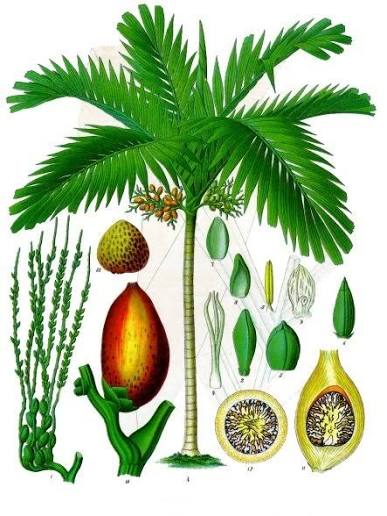
GENUS
GENUS
Family: Arecaceae
Areca is a genus of palms found mainly in tropical Asia.
Areca catechu
Areca triandra
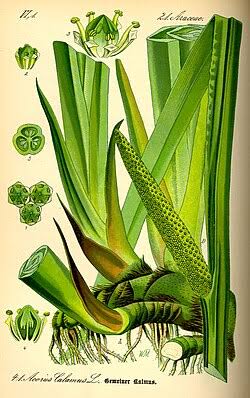
GENUS
GENUS
Family: Arecaceae
Calamus is a genus of climbing palms commonly known as rattans.
Calamus manan
Calamus caesius
FAMILY
Zingiberaceae is the ginger family. Explore Alpinia and Zingiber to learn about two genera that include familiar and ornamental plants.
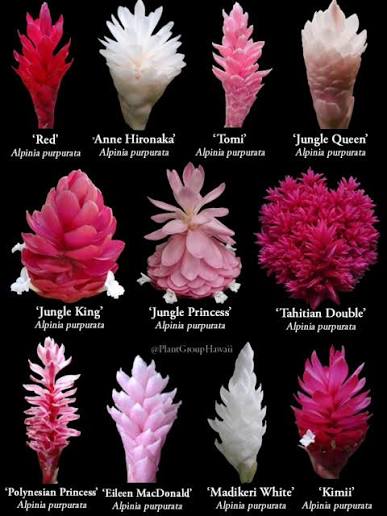
GENUS
GENUS
Family: Zingiberaceae
Alpinia is a genus of flowering plants in the ginger family.
Alpinia galanga
Alpinia zerumbet
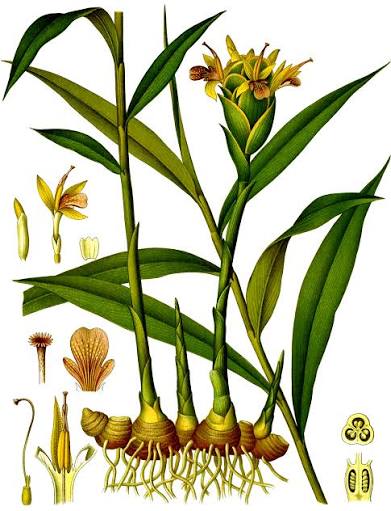
GENUS
GENUS
Family: Zingiberaceae
Zingiber is a genus of flowering plants that includes true ginger.
Zingiber officinale
Zingiber zerumbet
GENUS GUIDE
Follow the classification levels to understand how each genus belongs to a family and how its related species are organised.
| Family | Genera | Example Species |
|---|---|---|
| Arecaceae | Areca | Areca catechu |
| Arecaceae | Calamus | Calamus manan |
| Zingiberaceae | Alpinia | Alpinia galanga |
| Zingiberaceae | Zingiber | Zingiber officinale |