SPECIES
Areca catechu
ARECACEAE / ARECA
Areca catechu
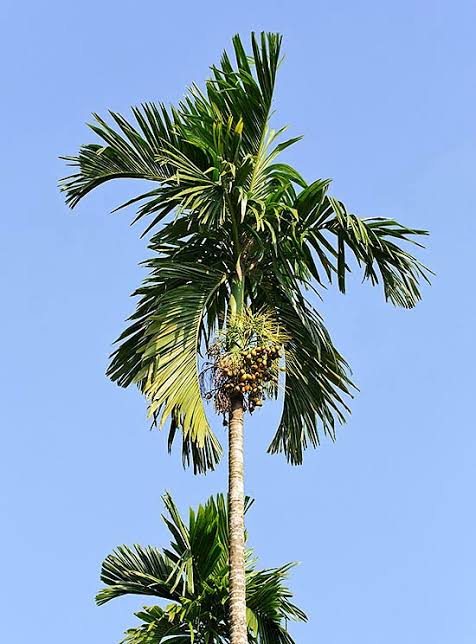
Areca catechu is a tropical palm cultivated in parts of Asia. It produces a slender trunk and a crown of long, feather-like leaves. Its seed is commonly called the areca nut.
FLORAHUB PLANT DIRECTORY
Explore eight plant species from four genera and two plant families. Each card introduces a plant's scientific name, classification, common name where available, and general information. Turn a card to learn more and follow its distribution link to explore records on GBIF.
FAMILY 01
Arecaceae is the palm family. Its members include familiar tropical palms as well as climbing palms known as rattans. The following examples introduce species from the genera Areca and Calamus.
GENUS
Areca is a genus of palms. The two species below demonstrate how plants in the same genus can have different growth characteristics and uses.
SPECIES
ARECACEAE / ARECA
Areca catechu is a tropical palm cultivated in parts of Asia. It produces a slender trunk and a crown of long, feather-like leaves. Its seed is commonly called the areca nut.
SPECIES
ARECACEAE / ARECA
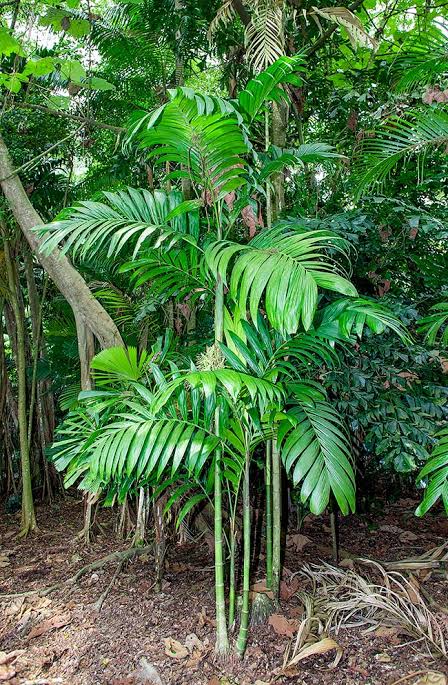
Areca triandra is a palm found in tropical parts of Asia. It can grow with more than one stem and has arching, feather-like leaves. It is also grown as an ornamental plant in suitable climates.
GENUS
Calamus contains many rattan palms. Rattans are climbing palms that grow in tropical forests and are important sources of material for traditional crafts and furniture.
SPECIES
ARECACEAE / CALAMUS
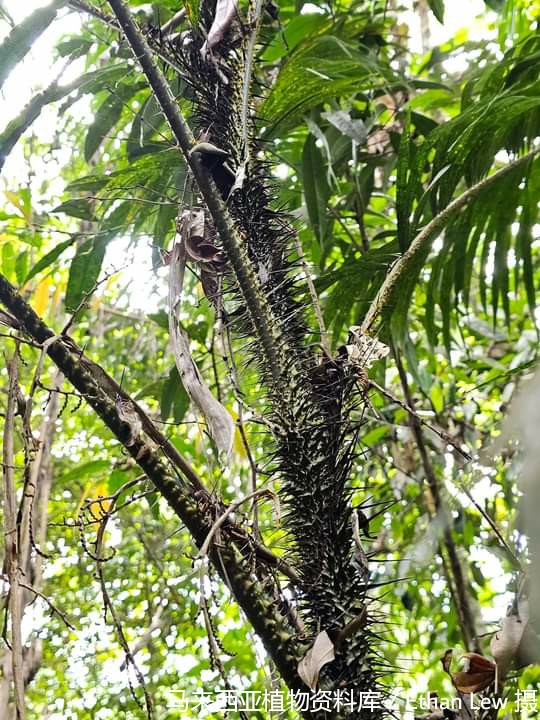
Calamus manan is a rattan palm associated with tropical forests in Southeast Asia. Its long climbing stem is valued for rattan products. Responsible harvesting helps reduce pressure on wild populations.
SPECIES
ARECACEAE / CALAMUS
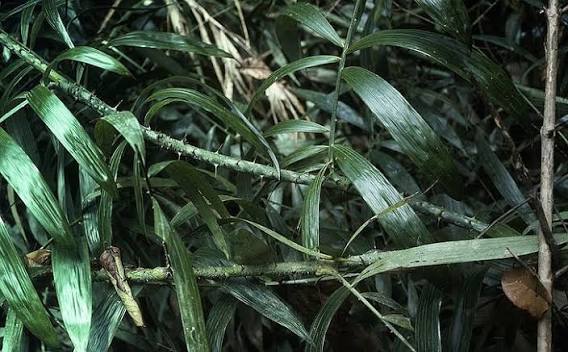
Calamus caesius is a climbing palm associated with tropical Southeast Asia. Like other rattans, it grows using surrounding vegetation for support and is used as a source of rattan material.
FAMILY 02
Zingiberaceae is the ginger family. Many members are tropical herbs with underground rhizomes and aromatic parts. Some are grown for food, while others are cultivated as ornamental plants.
GENUS
Alpinia includes tropical plants that often have leafy stems and attractive flowers. The genus contains plants used in gardens as well as species valued for their aromatic rhizomes.
SPECIES
ZINGIBERACEAE / ALPINIA
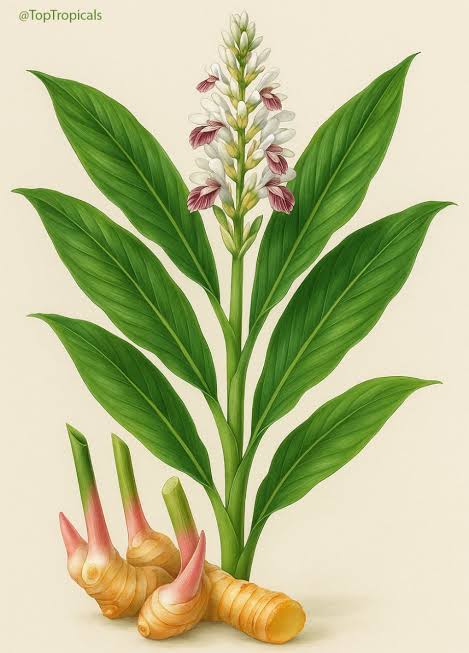
Alpinia galanga is a tropical herb with an aromatic rhizome. It is widely used as a culinary ingredient in several Southeast Asian cuisines and can grow in warm, humid environments.
SPECIES
ZINGIBERACEAE / ALPINIA
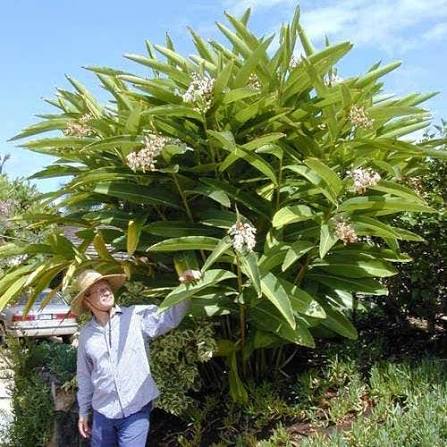
Alpinia zerumbet is a leafy tropical plant known for its hanging clusters of shell-like flowers. It is commonly grown in gardens and landscapes in warm regions.
GENUS
Zingiber is a genus of aromatic herbs in the ginger family. Many species grow from rhizomes, and some are important food plants or ornamental plants.
SPECIES
ZINGIBERACEAE / ZINGIBER
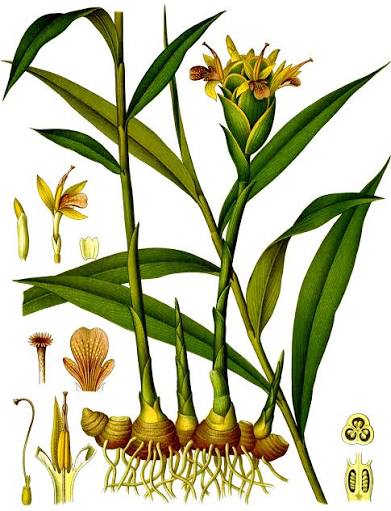
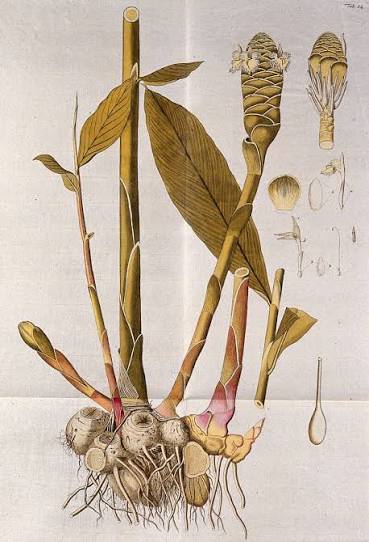
Zingiber officinale is the ginger plant widely cultivated for its aromatic rhizome. Ginger is used as a spice and flavouring in many foods and drinks. The plant grows well in warm conditions.
SPECIES
ZINGIBERACEAE / ZINGIBER
Zingiber zerumbet is a tropical herb with cone-shaped flower heads. The liquid from its mature flower heads has traditionally been used as a hair-care product in some regions.
LEARN THE BASICS
Scientific classification helps people organise plants and understand how different plants are related.
FloraHub presents eight example species from two families: Arecaceae and Zingiberaceae. Each family contains two genera, and each genus contains two species in this directory. This structure provides a simple way to compare plants using their scientific classification.
| Family | Genus | Scientific Name |
|---|---|---|
| Arecaceae | Areca | Areca catechu |
| Arecaceae | Areca | Areca triandra |
| Arecaceae | Calamus | Calamus manan |
| Arecaceae | Calamus | Calamus caesius |
| Zingiberaceae | Alpinia | Alpinia galanga |
| Zingiberaceae | Alpinia | Alpinia zerumbet |
| Zingiberaceae | Zingiber | Zingiber officinale |
| Zingiberaceae | Zingiber | Zingiber zerumbet |